ATH-M50x
by Audio-Technica
Audio-Technica ATH-M50x Review: The Studio Workhorse Under Re-evaluation
The ATH-M50x occupies a unique position in the contemporary headphone landscape as a wired, closed-back design that continues to serve tracking and monitoring workflows despite the market’s shift toward wireless convenience and active noise cancellation. Rather than competing with lifestyle-oriented flagships, it persists as a specialized tool for users prioritizing signal integrity and isolation over feature integration.
Design & Build
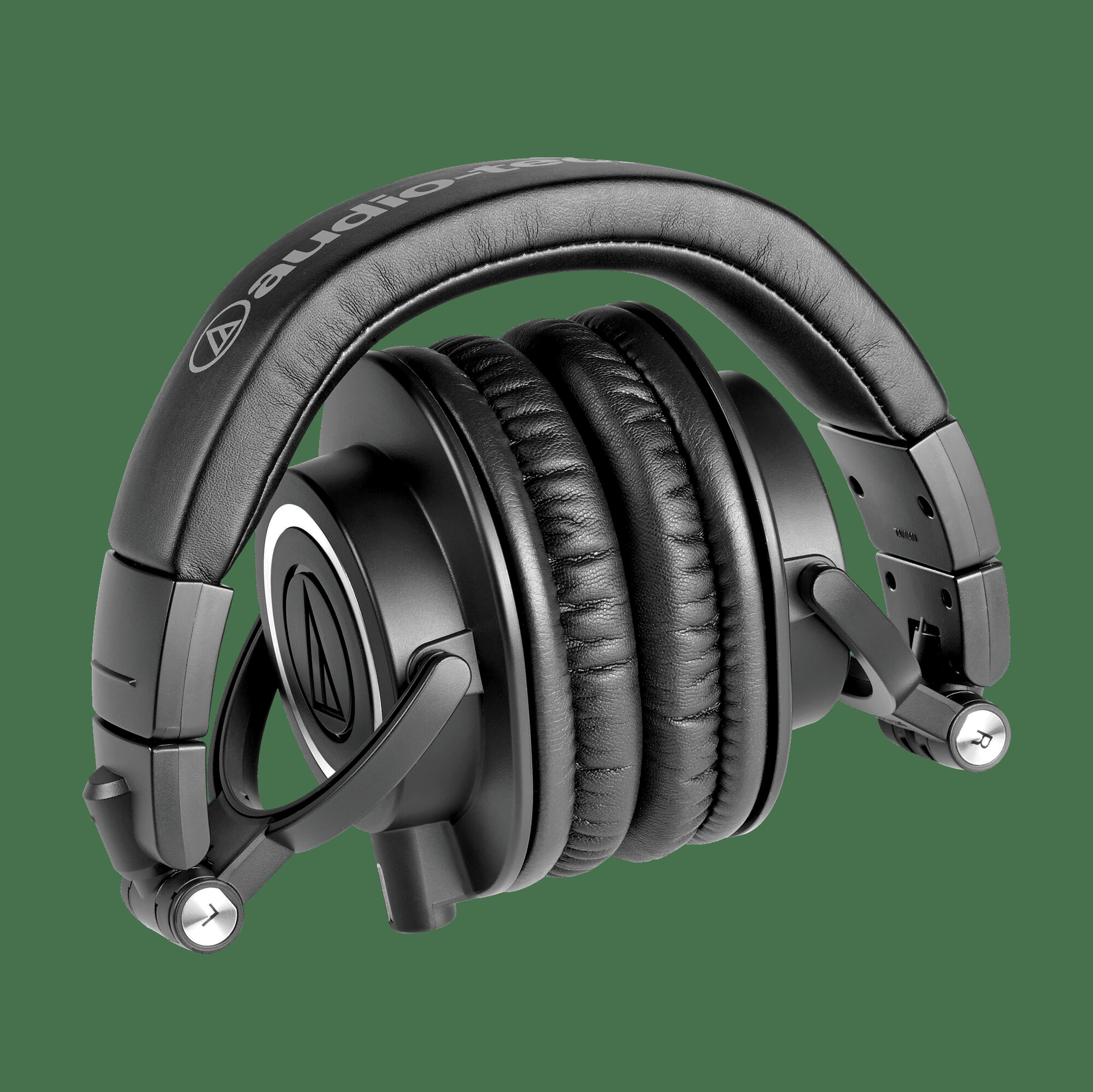
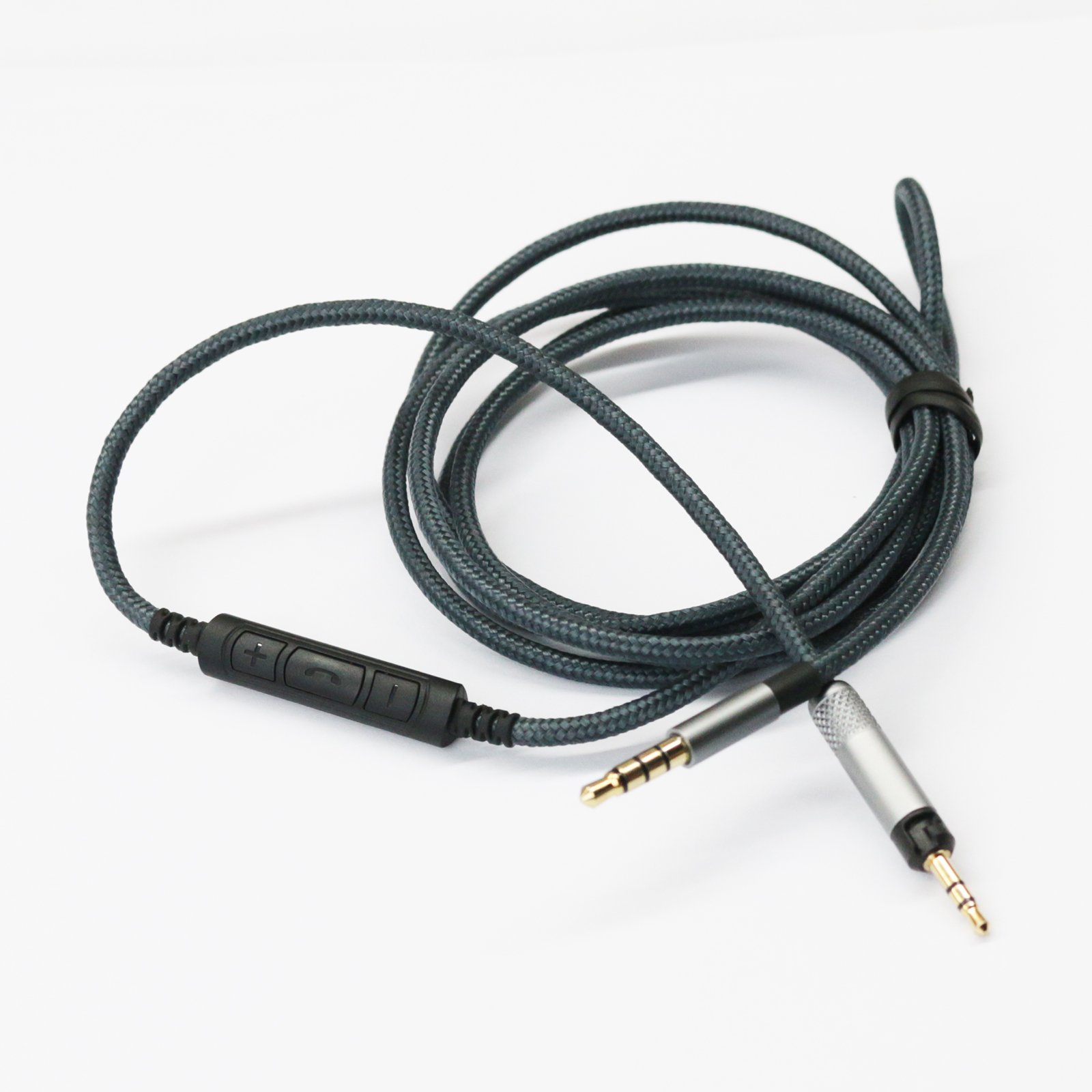
The circumaural closed-back architecture establishes substantial passive isolation suitable for drum tracking and vocal booth monitoring. Specification not confirmed for driver aperture dimensions and magnetic materials. The structural composition utilizes materials specification not confirmed for exact polymer grades and surface treatments, presenting a utilitarian aesthetic that prioritizes durability in studio environments over luxury tactility. Mechanical folding joints facilitate compact storage in equipment bags, while the headband tension generates significant clamping force—specification not confirmed for exact pressure measurements—creating the acoustic seal necessary for isolation but potentially inducing discomfort during extended sessions for wearers of eyeglasses. The cable interface utilizes a detachable connection system; specification not confirmed for connector standards, locking mechanisms, and included cable lengths.
Connectivity & Features
Specification not confirmed for impedance, sensitivity, and frequency response metrics. The design operates without requirement for dedicated headphone amplification, maintaining compatibility with consumer laptop outputs and professional audio interfaces alike. No active noise cancellation is present; isolation relies entirely on the physical barrier of the ear cups and sealing pressure against the head. The absence of wireless connectivity eliminates battery dependency and Bluetooth codec limitations, positioning the hardware strictly as a wired monitoring tool rather than a multi-purpose lifestyle device. Specification not confirmed for adapter inclusions and termination types provided in the packaging.
Sound Performance
The tonal presentation occupies the middle ground between clinical studio neutrality and consumer-friendly warmth. Low-frequency extension reaches deeper than strict monitoring standards, providing sufficient impact for bass-heavy genre verification without the exaggerated bloom of purely consumer-tuned alternatives. Midrange clarity remains the defining characteristic, with vocal and acoustic instrument reproduction maintaining intelligibility through dense mixes.
Upper-midrange presence exhibits elevation that enhances perceived detail retrieval, occasionally manifesting as fatigue when reproducing recordings with existing harshness in that region. Treble response prioritizes workhorse reliability over ethereal airiness, lacking the extension and decay characteristics of open-back designs but avoiding the sibilance peaks found in some competing closed-back models at similar price points.
Soundstage presentation remains intimate and forward-focused, consistent with the acoustic constraints of sealed ear cups. Imaging precision supports positional identification sufficient for mixing and gaming applications, though specification not confirmed for exact channel separation and transient response measurements.
Comparisons
Against the Audio-Technica ATH-M40x: The M50x offers greater low-end authority and bass impact, while the M40x presents a more strictly neutral midrange preferred by purist mixing engineers seeking less coloration. Both share similar isolation characteristics and specification not confirmed for weight differentials.
Against the Sony MDR-7506: The Sony exhibits faster transient attack and greater upper-midrange aggression, beneficial for detail inspection and broadcast monitoring but potentially fatiguing during extended critical listening sessions. The M50x provides a more forgiving treble response and superior low-end foundation for modern genre work.
Against modern wireless flagships (Bose QuietComfort Ultra, Sony WH-1000XM5): The M50x lacks spatial audio processing, active noise cancellation, and multi-device connectivity. However, the wired connection eliminates Bluetooth codec artifacts and latency, offering superior tonal accuracy for critical evaluation of recordings in quiet environments, albeit with significantly reduced convenience for transit and mobile use.
Who It’s For
Project studio owners requiring reliable tracking headphones with consistent isolation for drum and vocal recording. Content creators recording voiceover or acoustic instruments in untreated rooms where bleed rejection is paramount. Listeners prioritizing tonal accuracy over bass emphasis or treble sparkle for critical music analysis. The design suits users with standard head widths willing to tolerate firm clamping force; those requiring extended wearing sessions with eyewear may find the pressure oppressive. Not recommended for: mobile commuters seeking compact storage, wireless dependency, or active noise cancellation for aircraft and transit environments.
Verdict
The ATH-M50x persists as a utilitarian solution in an increasingly feature-saturated market. It does not offer the technical refinement of premium planar magnetic designs nor the convenience of modern wireless ecosystems, but it delivers consistent, predictable performance that democratizes access to near-professional monitoring capabilities. For users whose workflow prioritizes signal fidelity and isolation over lifestyle integration, it remains a defensible entry point, though competitors have narrowed the performance gap in recent years while offering superior comfort profiles.
Composite Score: 81/100 (Recommended)
- Technical Performance: 80
- Build Quality: 78
- Value: 88
- Versatility: 75